Which original should you request from your photographer?
Prepared by Photos7 · Viralink LLC
Reviewed: October 19, 2026 · 5 min read
A useful result starts with the file you choose. A small image delivered through a chat app, or a copy already cropped for printing, can leave too little space around the head even when the crop tool works precisely.
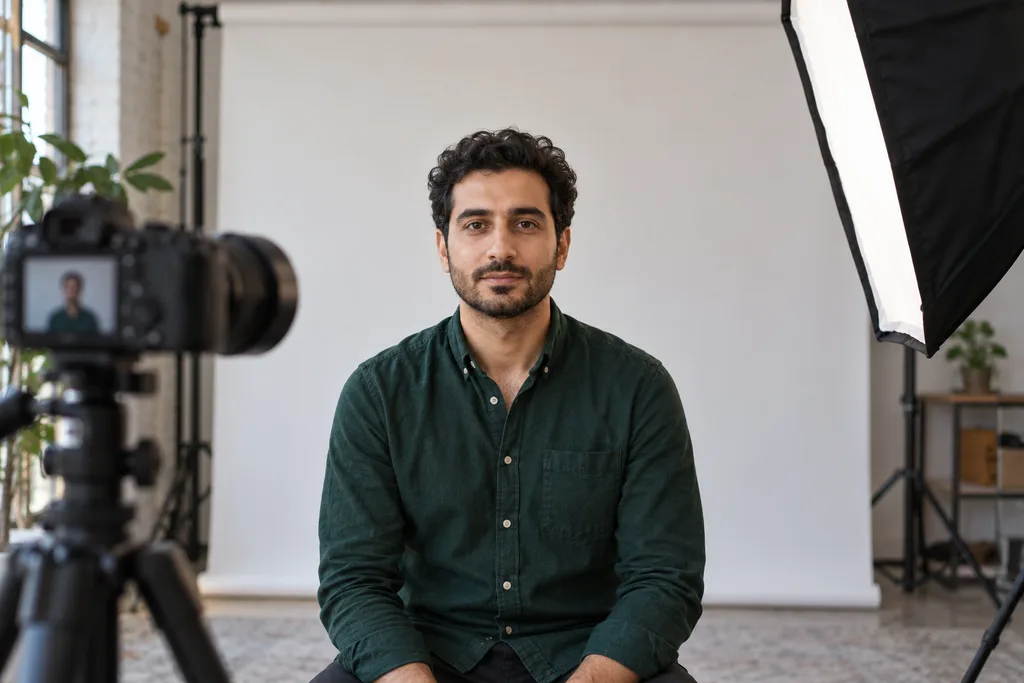
Ask for the complete digital original
Request the original colour file with all the hair visible and some room around the head and shoulders. Explain that you will need to select a square frame later. Keep a separate copy before experimenting with crops.
Ask whether skin smoothing, background replacement, or facial retouching was applied. A JPEG extension does not reveal an image’s editing history. If you only have a small copy, requesting the original is more useful than enlarging it to reach apparently correct dimensions.
Inspect lighting before file size
Look at both sides of the face, beneath the chin, and behind the head. You want visible features without bright areas or shadows hiding detail. Balanced lighting during capture preserves more information than trying to repair the picture afterwards.
Open the image at full size. If the eyelashes and eye boundaries are blurred by camera movement, reducing the file size will not restore that detail. A small phone preview can make a soft image appear sharper than it really is.
Government reference: Official photo requirements
Review the entire background
Inspect behind the hair, ears, and shoulders, as well as the corners. Light corners can coexist with a dark shadow close to the head. A plain background may also have a noticeable colour tint.
Photos7’s corner check describes sampled areas; it cannot establish that the whole background is suitable. Avoid adding white borders to widen a tight original or replacing the background to work around a capture problem. Obtain a suitable original instead.
Government reference: Official photo requirements
When is a retake the better next step?
Discuss a retake if the photo is old, the hair is cut off, the eyes are unclear, or the face is turned. Cropping changes the frame. It cannot correct the position of the head or restore details that the camera never recorded.
Before the session, review the current official rules on expression, glasses, head coverings, and exceptions. Tell the photographer what the picture is for, and inspect the shot before leaving the studio. Avoid sending personal photos to support simply to ask about dimensions; use the local measurements and guide first.
Government reference: Official photo FAQs
Frequently asked questions
Is a phone photo automatically unsuitable?
The device name alone does not establish quality. Examine focus, light, perspective distortion, and background in the actual picture. Avoid a close selfie that distorts facial proportions and disable beauty filters. Use a photographer if you cannot obtain a clear portrait.
Should I use a WhatsApp copy or a screenshot?
Request the original as a file or document, or use a download link that preserves it. Some sharing settings recompress photos; compare the received dimensions with the original. A screenshot records the display rather than extracting the original file.
My photographer sent an automatically enhanced copy. What next?
Request the version before skin smoothing, facial retouching, or background replacement. Avoid trying to reverse a chain of edits in a compressed copy. Automated inspection may notice visible artifacts but cannot establish the editing history.
What should I ask the photographer for?
Ask for the full-quality colour digital original, without smoothing or background replacement, with all the hair and enough room for a square crop. Review eye detail and shadows before leaving, and share the official requirements for the application you are preparing.